The Paradigm Shift in Active Safety
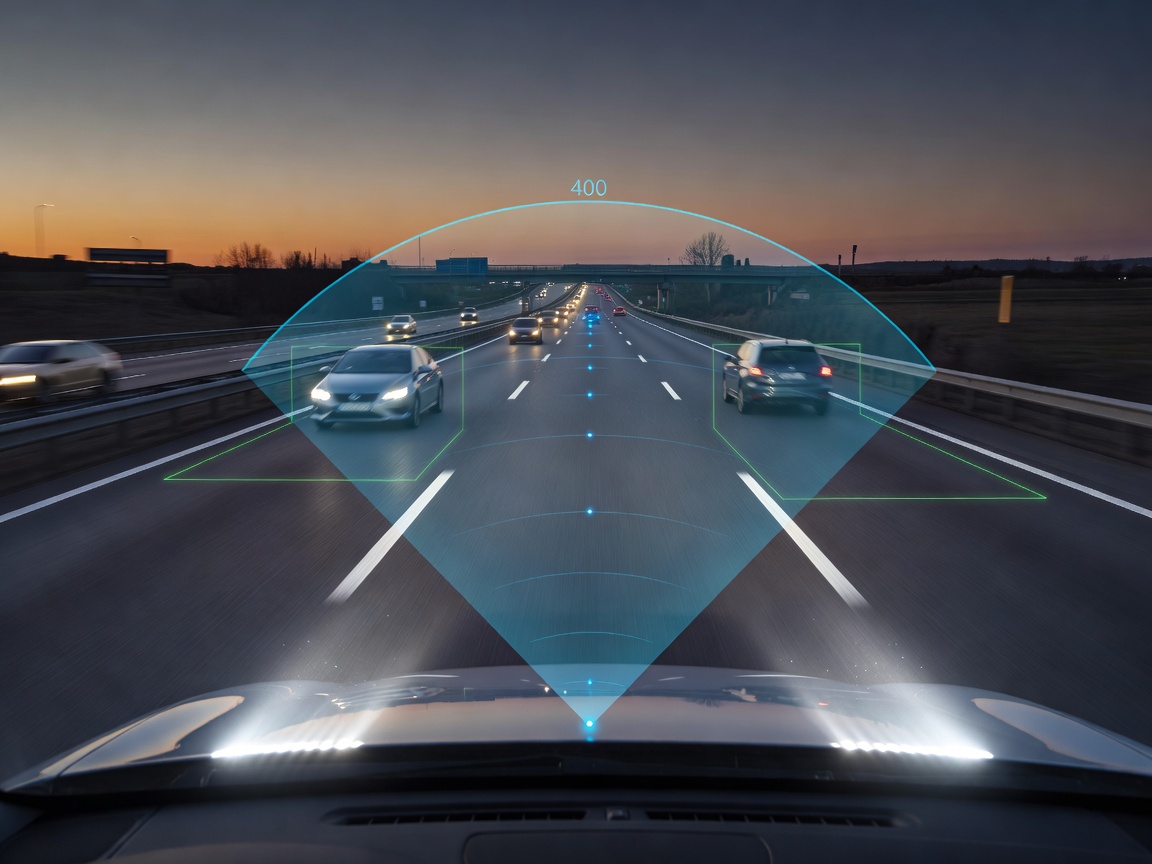
The immense kinetic energy of an 80,000 lb vehicle traveling at highway speeds leaves zero margin for human error. Historically, commercial vehicle safety relied entirely on passive systems (seatbelts, cab structural integrity) and driver training. Today, Advanced Driver Assistance Systems (ADAS) leverage complex sensor fusion—combining radar, lidar, and optical cameras—to actively intervene before a catastrophic event occurs.
Core ADAS Technologies
Collision Mitigation and Automatic Emergency Braking (AEB)
Forward-facing radar and cameras monitor the distance and closing speed of vehicles ahead. If the system detects an imminent rear-end collision and the driver fails to react, the AEB system bypasses the driver, depowers the engine, and applies maximum foundation braking. Modern systems can calculate closing speeds fast enough to mitigate or entirely avoid collisions even with stationary objects in low-visibility conditions.
Adaptive Cruise Control (ACC)
Building upon standard cruise control, ACC uses the same forward-looking radar to maintain a set following distance from the vehicle ahead. When traffic slows, ACC automatically reduces engine torque and engages engine/foundation brakes to maintain the gap. This drastically reduces driver fatigue in heavy, fluctuating traffic flows, keeping the driver fresh and alert.
Lane Keeping and Blind Spot Monitoring
Optical cameras track lane markings to provide Lane Departure Warnings (LDW)—often a harsh audible alert or haptic vibration in the steering wheel or seat. More advanced Lane Keeping Assist (LKA) systems use active electric steering overlays to physically nudge the vehicle back into the center of the lane. Side-mounted radar sensors monitor the massive blind spots on the passenger side of a tractor-trailer, alerting the driver with visual indicators on the A-pillar if they attempt a dangerous lane change.
Challenges and Limitations
While the safety benefits of ADAS are undeniable, these systems introduce new complexities for fleet operators:
- Sensor Calibration: A simple windshield replacement or minor bumper impact now requires extensive, highly precise recalibration of optical cameras and radar arrays by specialized technicians.
- Weather Degradation: Heavy snow, blinding rain, and severe road grime can blind cameras and block radar waves, instantly disabling these critical safety features and forcing the driver to rely solely on manual skills.
- Driver Reliance: There is a documented psychological phenomenon of "automation complacency," where drivers begin to trust the systems too much, leading to degraded attention spans and delayed reaction times when the systems fail or encounter edge-case scenarios.