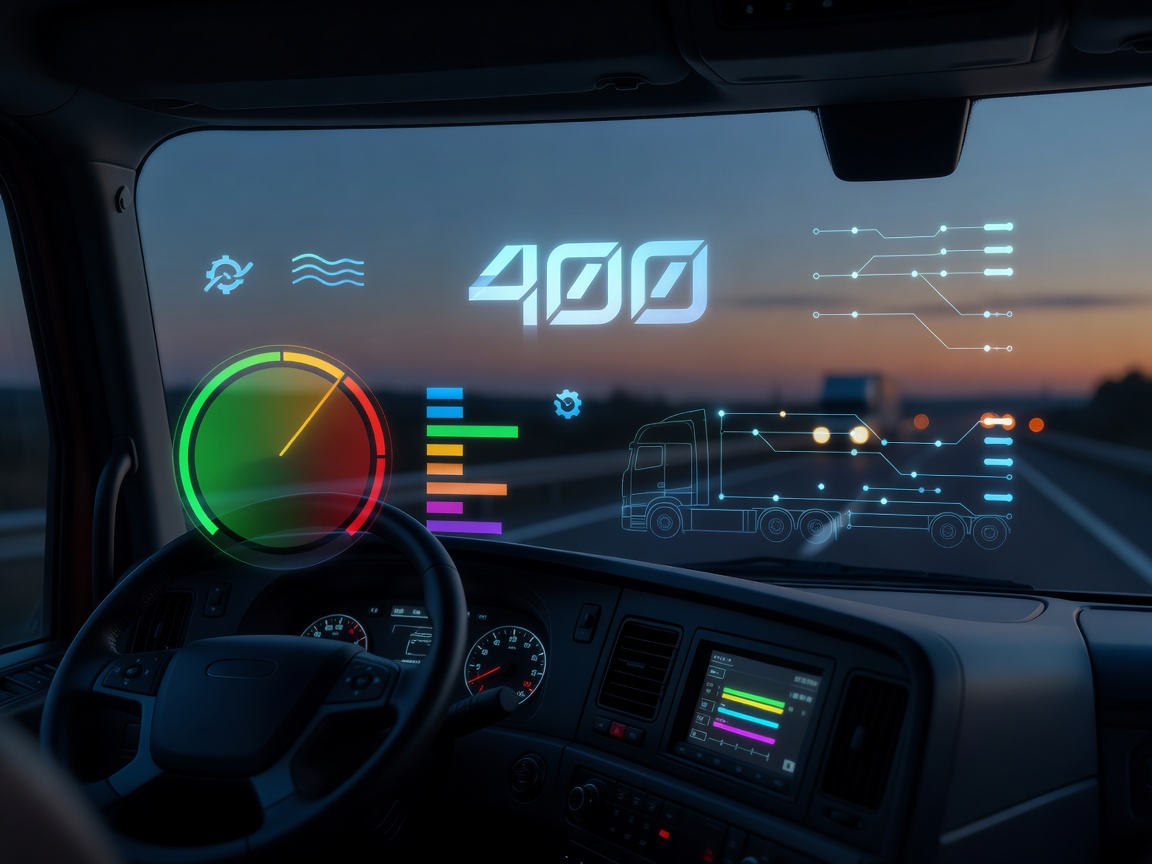
The Data-Driven Fleet
The modern Class 8 truck is a rolling data center. Connected directly to the vehicle's Controller Area Network (CAN bus), modern telematics hardware pulls thousands of data points per minute. This continuous stream of information, transmitted via cellular networks to fleet headquarters, has transformed vehicle maintenance from a reactive guessing game into a precise, predictive science.
Predictive Over Preventive Maintenance
Historically, maintenance was scheduled entirely by mileage intervals. However, a truck driven through flat highways degrades much slower than one pulling heavy grades in mountainous terrain. Telematics systems track exact engine hours, idle time, hard braking events, and specific fault codes in real-time.
By applying predictive analytics to this data, fleet managers can anticipate component failures before they cause catastrophic breakdowns on the side of the road. For example, if a sensor detects a minute drop in fuel rail pressure over a two-week period, the system can flag the fuel pump for replacement at the next scheduled terminal stop, eliminating costly towing and unscheduled downtime.
Remote Diagnostics and Over-The-Air (OTA) Updates
When a check engine light illuminates thousands of miles from the home terminal, uncertainty leads to downtime. Telematics allows fleet managers and manufacturer support centers to remotely read diagnostic trouble codes (DTCs). They can instantly determine whether the fault requires an immediate tow, or if the driver can safely proceed to the next certified service center.
Furthermore, Over-The-Air (OTA) capabilities allow manufacturers to push engine calibration updates, transmission software refinements, and safety system patches directly to the truck without it ever stepping foot inside a service bay.
Fuel Efficiency and Driver Scorecards
The largest variable in a truck's fuel economy is the operator holding the steering wheel. Telematics software monitors throttle position, cruise control utilization, optimal gear shifting, and excessive idling.
By compiling this data into individual "driver scorecards," fleets can identify operators who require additional training on progressive shifting or momentum management, while financially incentivizing top-tier drivers. Correcting aggressive driving behaviors can yield fleet-wide fuel savings of 5% to 15%, drastically improving bottom-line profitability.